Kingston Council rules for event flowers and roadside displays
Posted on 26/09/2026
If you are planning an outdoor celebration, memorial, shop frontage display, or a wedding installation near the road, the Kingston Council rules for event flowers and roadside displays can feel a bit opaque at first. To be fair, that is normal. Most people only discover the rules when they are already choosing stems, planning timings, and wondering whether a bouquet arch, pavement planter, or temporary floral tribute will actually be allowed.
This guide breaks the topic down in plain English. You will learn what these rules usually mean in practice, how approvals and permissions tend to work, where the common risks sit, and how to plan a display that looks beautiful without causing safety or compliance headaches. We will also cover practical methods, a simple step-by-step process, and the most common mistakes people make when they assume "it's only flowers, how hard can it be?"
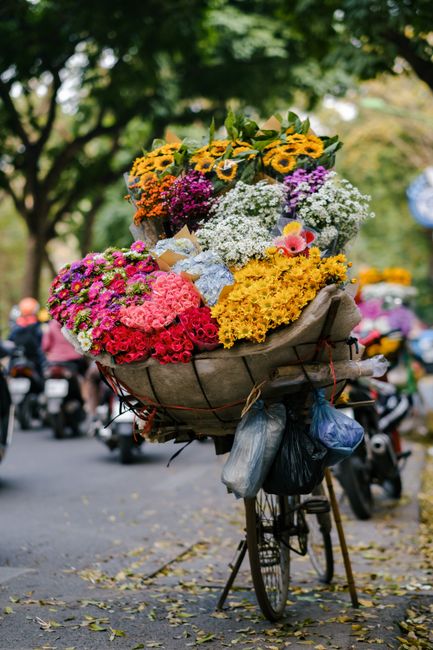
Truth be told, roadside floral displays can be wonderfully effective. They can soften a venue, mark an occasion, and make a space feel cared for. But once anything sits near a pavement, verge, parking bay, loading area, or carriageway, you are no longer just decorating. You are also managing visibility, access, trip risks, weather resilience, and public space etiquette. That is the real game.
This article is written for anyone in Kingston Vale, SW15, or the wider Kingston area who wants a practical, trustworthy overview before placing flowers anywhere that touches the street scene.
Why Kingston Council rules for event flowers and roadside displays Matters
Flowers are often treated as decoration, but roadside displays affect public space. That is why Kingston Council rules for event flowers and roadside displays matter more than many organisers expect. A display that looks perfect in a venue courtyard may become a problem the moment it reaches a pavement edge or encroaches on a shared path.
There are three big reasons to take the rules seriously.
- Safety: pedestrians, cyclists, mobility scooter users, pushchairs, and drivers all need clear space and clear sightlines.
- Access: emergency access, refuse collection, cleaning, and shopfront entry routes should not be blocked.
- Accountability: if something falls, spills, sheds petals, or creates a trip hazard, the organiser is usually the first person asked to deal with it.
That sounds obvious, but in real life people often underestimate how fast a floral display can change the feel of a street. A few heavy urns, a loose ribbon, or a wind-blown arrangement can suddenly turn a tidy idea into an obstruction. A damp morning can make a path slippery. A Friday afternoon can bring buses, delivery vans, and a lot more foot traffic than you expected. Little details. Big difference.
Practical takeaway: if the flowers touch the public highway, pavement, verge, or anything people use to move through the area, assume there are rules, conditions, or at least expectations to meet.
It is also worth remembering that councils tend to think in terms of the whole street environment, not just the display itself. They will care about whether the flowers are stable, whether they can be seen safely, whether they reduce access, and whether they create litter or maintenance issues. So the question is not just "Will it look good?" It is also "Will it behave well in the real world?"
How Kingston Council rules for event flowers and roadside displays Works
There is no single universal rule that covers every floral setup, because the required approach depends on where the display sits, how long it will stay in place, and whether it affects public land or private land facing public space. In plain terms, the closer the flowers are to the road, pavement, or verge, the more likely permission, notice, or careful planning will be needed.
For a simple event bouquet inside a venue, you usually do not need to worry about council rules. But once you are talking about roadside planters, memorial flowers at the kerb, a ceremony arch near the pavement, or flower installations intended to attract attention from passers-by, the picture changes.
Here is how it typically works in practical terms:
- Identify the location. Is the display on private land, at the boundary, or in the public realm?
- Assess the impact. Will it reduce visibility, obstruct walking space, affect parking, or introduce trip hazards?
- Check whether the site is temporary or longer-term. A one-off event display is usually handled differently from a persistent roadside arrangement.
- Confirm who owns or manages the space. The council may be involved, but so may a venue, landlord, landowner, or highways authority depending on the exact spot.
- Plan the materials and fixing method. Lightweight hand-tied flowers are different from weighted plinths, crates, stands, or large installations.
- Allow for weather and movement. Wind, rain, heat, and vibration from traffic can quickly undo a pretty setup.
You may notice that this is more about risk management than floral style. That is not glamorous, but it is the bit that keeps everything from becoming a late-night emergency. And let's be honest, no one wants to be hunting for a fallen vase under a passing car's headlights at 9:30pm on a wet Kingston evening.
For event organisers, florists, and community groups, the safest approach is to treat roadside flowers as a small public-space project rather than a simple decoration order. Once you adopt that mindset, the rest becomes much easier to handle.
Key Benefits and Practical Advantages
Working within the Kingston Council rules for event flowers and roadside displays is not just about avoiding trouble. It can actually improve the quality of the display. When the setup is planned properly, it tends to look more polished, last longer, and cause fewer interruptions on the day.
- Cleaner presentation: well-planned installations sit better in the environment and look more deliberate.
- Less last-minute stress: a clear understanding of permissions and boundaries prevents hurried rearranging on the morning of the event.
- Better durability: displays designed for outdoor conditions are usually sturdier and more secure.
- Reduced risk of removal or complaint: if the display is clearly suitable, it is less likely to be questioned by nearby residents, traders, or enforcement teams.
- Improved guest experience: people notice when an entrance, pavement edge, or memorial area feels calm and thoughtfully arranged.
There is a quieter benefit too. A display that respects the street tends to feel more dignified. That matters for memorial tributes, remembrance flowers, and civic occasions. A rushed arrangement can look decorative for five minutes; a well-considered one can feel meaningful all day.
In commercial settings, compliance can also support reputation. A florist or event planner who asks the right questions about access, anchoring, and placement is usually seen as more reliable. It is one of those small professional habits that people remember, even if they never say it out loud.
Who This Is For and When It Makes Sense
This topic is relevant to quite a few people, not just large event teams. If you are wondering whether your situation counts, the short answer is: if flowers are moving beyond a private table setting and into a space that people walk, drive, or cycle through, pay attention.
- Wedding couples planning floral entrances, roadside photo moments, or church-adjacent displays
- Event organisers staging festivals, charity events, launches, or seasonal celebrations
- Local businesses decorating a frontage, pavement edge, or kerbside display to attract attention
- Families and friends placing roadside tribute flowers or memorial arrangements
- Community groups creating temporary floral installations for public occasions
- Florists responsible for delivery, installation, and safe placement outdoors
It makes sense to think about the rules early if the display needs to survive a full day, a weekend, or anything involving crowds, traffic, or changing weather. If the arrangement is purely decorative and stays well within private ground, the process is usually much simpler. If it sits near the edge of the road, however, a more careful approach is worth the effort.
A small but useful distinction: event flowers often have a beginning and end time, while roadside displays can be judged as more persistent or public-facing. That changes how people assess them. A temporary wedding arch is not the same as a roadside memorial, even if both use roses and greenery.
Step-by-Step Guidance
If you want a practical way to handle Kingston Council rules for event flowers and roadside displays, follow a simple sequence. No drama. Just a methodical approach that keeps surprises to a minimum.
1. Define the exact space
Mark where the display will sit. Not roughly. Exactly. The boundary between private property, pavement, verge, and road edge matters. A foot or two can completely change the answer.
2. Identify the purpose
Is this for a wedding, a funeral tribute, a shop opening, a civic event, or a seasonal display? The purpose affects scale, tone, duration, and whether the arrangement should feel celebratory, respectful, or low-key.
3. Check the practical impact
Ask yourself: can people walk around it easily? Can a wheelchair pass? Can a stroller get through without awkward sideways manoeuvres? Can drivers still see clearly near the junction? These are the real-world tests, and they matter more than a mood board.
4. Choose the right format
For a road-facing setting, secure arrangements usually work better than loose designs. Think weighted containers, stable bases, tied elements, and flowers that tolerate wind. Very delicate pieces may be better kept inside or away from direct exposure.
5. Agree timing and removal
State clearly when the flowers go up and when they come down. Temporary installations should have a removal plan from day one. A display that outstays its welcome can become a nuisance very quickly.
6. Prepare for weather
Outdoor flowers need a little more care than indoor ones. Wind can topple lightweight pieces. Sun can shorten vase life. Rain can crush petals or smear labels and ribbons. If the setup will sit outside for more than a few hours, build in some resilience.
7. Keep records
Take photos of the agreed placement, keep notes of any permission or approval, and confirm responsibilities in writing where possible. It sounds overcautious until there is a dispute. Then it sounds smart.
A lot of problems are avoided simply by being specific. "By the entrance" is vague. "On the right-hand side of the pavement, inside the venue boundary, clear of the pedestrian route" is much better. Slightly boring, yes. Very useful, absolutely.
Expert Tips for Better Results
In our experience, the best roadside floral displays are the ones that look effortless because the planning was not effortless at all. That is the trick. You do the careful work quietly, and everyone else just sees the flowers.
- Keep the base heavier than you think you need. Lightweight displays can look lovely in a shop but become wobbly outside.
- Use colour with intent. High-contrast flowers are easier to see from a distance, while softer palettes often suit memorials and formal ceremonies.
- Think in layers. A strong focal arrangement plus smaller supporting pieces often works better than many scattered items.
- Allow breathing room. A display that is a little smaller but safer usually feels more refined than one that crowds the pavement.
- Choose stems suited to exposure. Some flowers hold up beautifully outdoors; others go tired fast. Florist choice matters here.
- Check from different angles. Stand back from the arrangement, then look from the road, from the pavement, and from eye level. You will spot things that a close inspection misses.
If the flowers are part of a commercial frontage, align them with the building rather than the traffic flow. That little shift often makes the whole scene feel calmer. If they are for a ceremony, match the scale to the number of people attending. Too much floral volume can feel cluttered, and yes, a bit like the flowers are trying to steal the show.
One more thing. Do not forget the tidy-up. A beautiful installation can lose its charm very quickly if broken petals, cable ties, or wrapping tape are left behind. The last five minutes matter more than people think.
Common Mistakes to Avoid
Most issues with roadside displays are not caused by bad intentions. They happen because people underestimate the environment. Here are the common mistakes worth steering clear of.
- Assuming private and public space are the same: they are not, and the boundary can be strict.
- Placing arrangements too close to the kerb: splash, vibration, and moving vehicles create extra risk.
- Ignoring accessibility: a display that narrows the route can frustrate or endanger pedestrians.
- Using unstable containers: light pots, loose stands, and flimsy props do not belong near traffic.
- Leaving displays out too long: what began as a temporary arrangement can look abandoned after a day or two.
- Forgetting weather changes: a dry morning can turn into a gusty, wet afternoon. London weather, frankly, enjoys a plot twist.
- Overcrowding the display: more flowers are not always better. Sometimes they just become visual noise.
One subtle mistake is treating a roadside tribute like a wedding feature. The tone is different. The handling is different. The expectations are different. A memorial usually needs restraint and stability, while a celebratory event can allow more movement and brightness. Mixing those up is easy to do, but it changes how the display is received.
Tools, Resources and Recommendations
You do not need a huge toolkit, but a few sensible items make outdoor floral work much easier. The goal is not to overcomplicate things; it is to avoid the sort of avoidable wobble that makes everyone nervous.
| Tool or resource | Why it helps | Best use case |
|---|---|---|
| Measuring tape | Confirms clear widths and placement distances | Checking pavement space and entrance layouts |
| Weighted containers | Improves stability in wind and busy footfall | Roadside planters, memorial displays, event entrances |
| Water sources or floral tubes | Helps cut flowers last longer outdoors | Longer daytime events and memorial tributes |
| Soft ties and discreet fixings | Secures stems without damaging them | Arches, garlands, rail-adjacent arrangements |
| Written placement notes | Reduces confusion between organiser, florist, and venue | Any setup near public access routes |
| Camera phone photos | Creates a simple record of agreed positioning | Useful before installation and after setup |
For flowers themselves, choose varieties and colour palettes that suit the occasion and the weather exposure. If you are arranging a wedding feature, a florist can help you decide between soft ceremony flowers and sturdier outdoor-friendly options. If you are planning a tribute, restrained tones or a carefully chosen arrangement may feel more appropriate than something highly elaborate.
If you need a broader view of seasonal or occasion-led floral choices, you may also find it useful to look at the florist's full flowers collection and the dedicated wedding range for inspiration that still stays practical for real-world placement. For support on local delivery timing, the page on delivery can help you think through timing and handover too.
Those are not just shopping pages in disguise. They can be handy when you are choosing a style that needs to work both aesthetically and operationally.
Law, Compliance, Standards, or Best Practice
Because this topic touches public space, it is sensible to treat compliance carefully. Exact permissions and enforcement practices can vary depending on the site, the type of display, and whether the flowers affect highways, footpaths, or land that is managed separately from the venue. In other words, there is no one-size-fits-all answer, and anyone promising one is probably oversimplifying.
As a general rule, best practice in the UK is to:
- avoid blocking safe pedestrian passage
- avoid creating a trip or slip hazard
- keep visibility clear at corners, crossings, and driveways
- make sure anything placed outdoors is stable and weather-aware
- remove temporary decorations promptly once they are no longer needed
- get any required approval or landowner consent before installation
Where memorial or tribute flowers are placed near roads, a thoughtful, low-impact approach is usually best. Less is often more. The display should honour the moment without interfering with the everyday life of the street. That balance matters, and it is easy to get wrong if the installation is rushed.
For commercial or event work, written confirmation is your friend. Even a short email or message that records what was agreed can help later. If you are working with a venue or client, define who is responsible for installation, monitoring, and removal. Do not leave that vague. Vague becomes expensive. Quickly.
Best practice also means thinking about the people who move through the space after the event starts. Late arrivals, maintenance staff, delivery drivers, and members of the public do not know your internal plan. They just know whether the space feels safe and navigable. That is the lens to use.
Options, Methods, or Comparison Table
If you are deciding how to approach a roadside or event display, it helps to compare the common methods side by side. Different setups serve different purposes, and the wrong choice can create hassle later.
| Option | Strengths | Limitations | Best for |
|---|---|---|---|
| Loose floral bouquets | Flexible, affordable, easy to move | Less stable outdoors, can be disturbed by wind | Short events, indoor-to-outdoor handover |
| Weighted roadside planters | Stable, neat, visually strong | Heavier, may need more planning to place safely | Shopfronts, boundary edges, longer runs |
| Garlands or tied arrangements | Elegant, adaptable to rails or frames | Need secure fixing and careful monitoring | Wedding entrances, temporary decorative features |
| Memorial tributes | Respectful, meaningful, often focused | Can clutter if left too long or placed too close to traffic | Roadside remembrance and tribute areas |
| Large feature installations | High visual impact | More likely to need assessment, permissions, and robust fixing | Special events, branded launches, civic occasions |
In practical terms, the safest option is usually the one that achieves the look without pushing the boundary too far. A smaller, secure display often feels more intentional than a bigger one fighting gravity. Funny how that works.
Case Study or Real-World Example
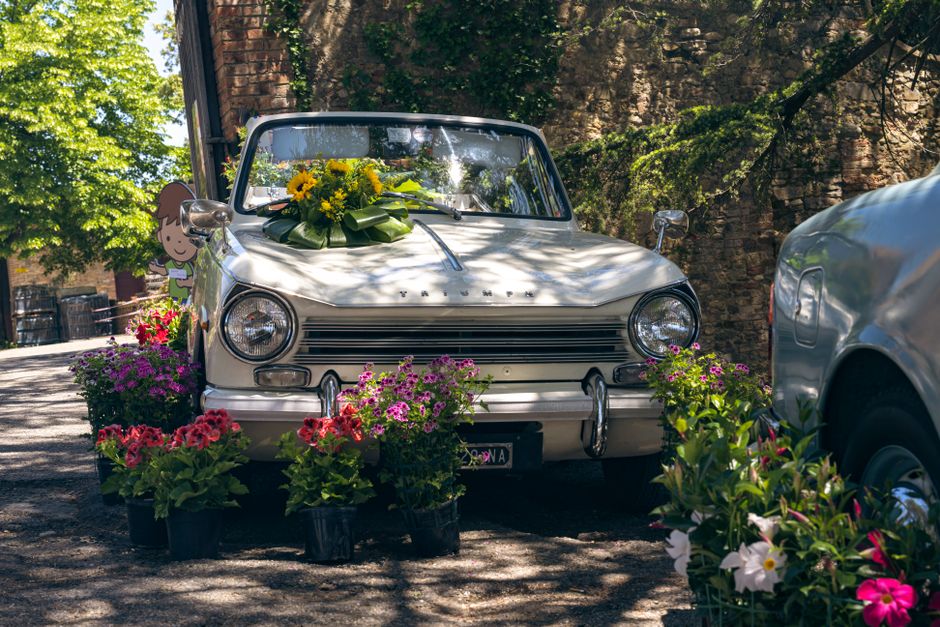
Here is a realistic example based on the kind of situation people often face. A small community event in Kingston Vale wanted floral arrangements to frame the entrance of a hall and extend a little way toward the road-facing edge of the forecourt. The initial idea was charming: bright seasonal flowers in lightweight pots, arranged loosely to create a welcoming path.
Then the practical questions started. Could a delivery vehicle still turn in? Would the display narrow the pedestrian route? What if the weather turned gusty in the afternoon? Rather than forcing the original plan, the organiser and florist reduced the size of the outer pieces, moved the heaviest containers inward, and used more stable bases close to the entrance. The flowers still looked warm and inviting, but the layout felt calmer and safer.
That is the point. Good planning does not usually kill the aesthetic. It improves it. The final setup looked more considered, and guests noticed the entrance had a tidy, welcoming rhythm instead of a crowded, fussy edge.
The same logic applies to roadside memorial flowers. A family may want the display to feel visible and heartfelt. That is understandable. But when the arrangement sits too close to traffic or spreads too widely across a pavement, the risk rises fast. A carefully placed, smaller tribute can be just as moving, and often more respectful in the long run.
Practical Checklist
Use this before you place any flowers near a road, pavement, or public-facing edge.
- Have I identified exactly where the flowers will go?
- Do I know whether the space is private, shared, or public?
- Will the display block walking space, access, or visibility?
- Is the arrangement stable enough for wind, vibration, and weather?
- Have I planned how long it will remain in place?
- Do I know who is responsible for installation and removal?
- Have I checked whether any approval or consent is needed?
- Will the display still look good if the weather changes?
- Have I taken photos or written notes of the agreed setup?
- Is the tone of the flowers right for the event or tribute?
If you can answer yes to most of those without hesitation, you are in a good place. If not, pause and tidy up the plan. It is always easier to move a container on paper than in the rain, under pressure, while someone is asking whether the van can still get through. Been there, seen that, not fun.
Get a free quote today and see how much you can save.
Conclusion
Kingston Council rules for event flowers and roadside displays are really about shared space, safe access, and sensible presentation. Once you frame them that way, the topic becomes much easier to manage. You are not just choosing flowers; you are designing a display that has to behave well in the real world.
The strongest approach is simple: define the space, check the impact, choose stable materials, plan removal, and keep the display appropriate to the setting. Whether you are arranging a wedding entrance, a business frontage, or a roadside tribute, that structure protects both the beauty of the flowers and the peace of mind of everyone involved.
And if you take one thing from this guide, let it be this: a good floral display should feel like a welcome, not a worry. That is the sweet spot.
Frequently Asked Questions
Do I need permission for event flowers near a road in Kingston?
It depends on where the flowers sit and whether they affect public space. If the display is on private land and clearly away from the pavement or carriageway, permission may not be needed. If it touches public access areas, extra checks are sensible.
Can I place roadside flowers for a wedding entrance?
Often yes, but the arrangement should not block pedestrians, reduce visibility, or create a hazard. Temporary wedding flowers near the road are usually best kept stable, compact, and clearly outside the live walking route.
Are memorial flowers by the kerb allowed?
They may be tolerated in some situations, but they should be placed carefully and should not obstruct access or traffic sightlines. A respectful, low-impact arrangement is usually the safest approach.
What makes a floral display unsafe?
Common risks include unstable bases, slippery petals or water, blocked pavements, poor visibility, and anything that can blow over or shift into the road. The weather matters more than people think.
How long can roadside flowers stay up?
That depends on the purpose, location, and any agreement in place. Temporary displays should have a clear removal plan. The longer something stays out, the more carefully it should be monitored.
What kind of flowers work best outdoors?
Sturdier stems, weather-tolerant blooms, and arrangements with secure bases usually perform better outdoors. Your florist can suggest options that suit the season and the exposure level.
Do I need a florist for a roadside display?
Not always, but a florist is very useful if you want a professional finish, the right materials, and a design that survives outdoor conditions. For anything larger than a simple tribute, it is usually worth it.
What should I do if a display is in the way of pedestrians?
Move it. Straight away if possible. Safe access should come first, even if the flowers are already set up. A slightly smaller display is far better than a cramped or awkward route.
Is it better to choose one large arrangement or several smaller ones?
For roadside use, several smaller, well-placed arrangements can be safer and easier to manage than one oversized feature. That said, the right answer depends on the site and the purpose.
How can I make sure my display stays secure in bad weather?
Use weighted bases, avoid fragile placements near the kerb, and choose flowers and structures that can cope with wind and rain. If the forecast looks poor, build in a fallback plan. Always.
What is the biggest mistake people make with roadside flowers?
Underestimating how public and changeable the space is. A display that looks harmless on a sketch can become a problem once real people, traffic, and weather get involved.
Can a business use flowers to decorate the pavement edge?
Sometimes, but only if the layout leaves enough room for safe access and does not overstep any local restrictions. Businesses should be especially careful about keeping entrances, pathways, and sightlines clear.
Should I document the setup before installation?
Yes, that is a very good habit. Photos, notes, and written confirmations can help avoid confusion later and make removal or adjustments easier if anything changes on the day.